
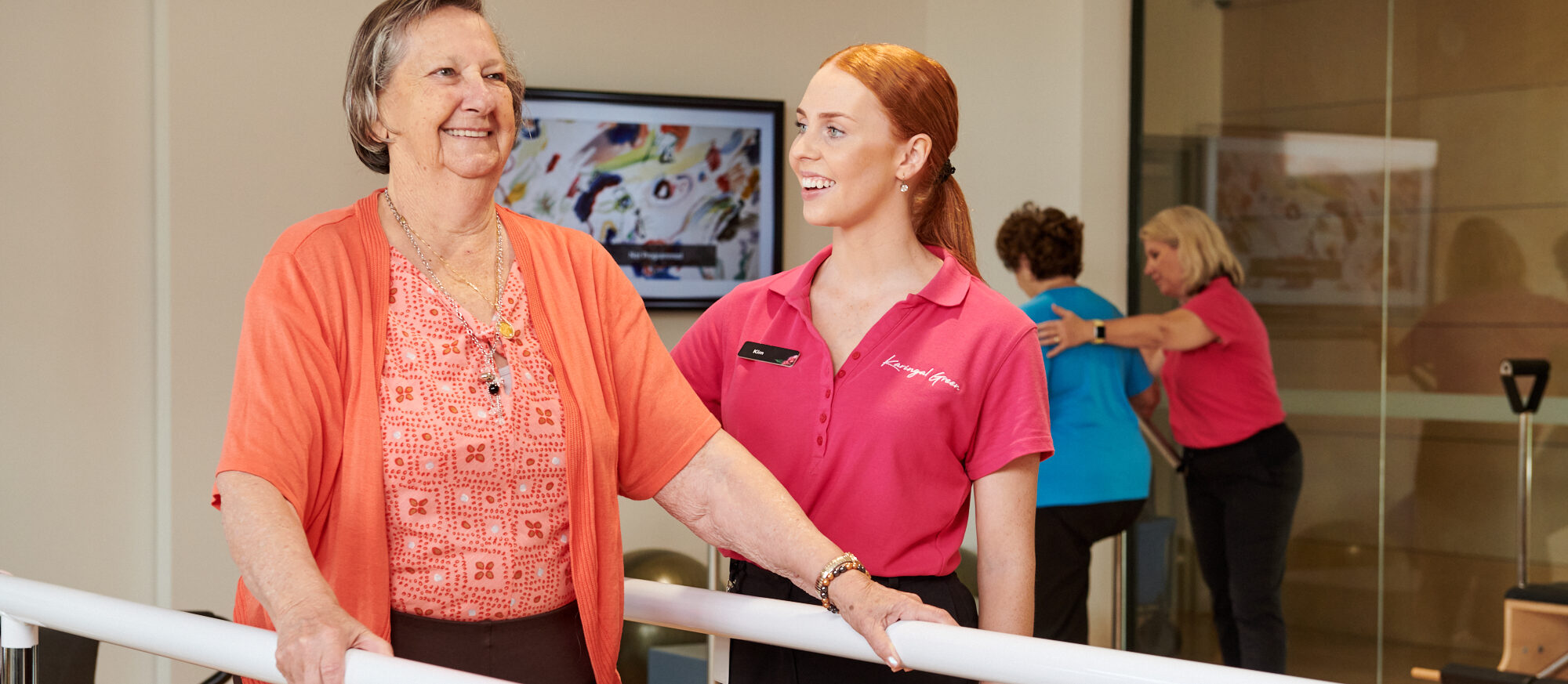
For the over 65s, there are ways this cohort can reduce the chances of a stroke, and it mostly involves keeping an eye on hydration, diet and exercise.
- Eat well with an eye on nutrition
Focus on Nutrition: Aim to consume a variety of nutrient-dense foods. Incorporate plenty of fruits (like apples, berries, and oranges) and vegetables (such as leafy greens, carrots, and bell peppers). Whole grains like oats, brown rice, and whole wheat products are also beneficial.
Reduce Sodium and Saturated Fats: Minimise salt intake by avoiding processed foods and using herbs and spices for flavouring instead. Limit saturated fats found in red meats and full-fat dairy products, and choose lean proteins like chicken, fish, and plant-based options.
Include Healthy Fats: Opt for unsaturated fats from sources such as avocados, nuts, seeds, and olive oil. These can help manage cholesterol levels.
- Find an exercise you love
Keep fit: Choose activities that improve cardiovascular health and maintain mobility. Walking, swimming, or chair exercises can be effective, but the key really is to find one you can commit to regularly.
Balance and Strength Training: Try exercises that enhance balance and muscle strength to reduce the risk of falls. Simple activities like seated leg lifts can help your overall fitness levels and improve core strength.
- Become a BP expert
Regular Monitoring: Have your blood pressure checked regularly, at least once a month, or as recommended by your healthcare provider. Your BP can be a canary in the mine in terms of an early warning system for health issues.
Manage Stress: Practice stress-reducing techniques like deep breathing, meditation, or gentle stretching exercises to help keep blood pressure levels in check. Try stress-reducing hobbies like painting, yoga or walking by the sea or in the countryside. Remember to breathe deeply and smell the roses – literally.
- Keep cholesterol in check
You are what you eat: Choose foods that help lower LDL (bad) cholesterol and raise HDL (good) cholesterol.
Medication Adherence: If prescribed cholesterol-lowering medications, take them exactly as directed and have regular follow-ups to assess their effectiveness.
- Stub it out
Seek Support: If you smoke, consult your healthcare provider for quitting smoking, including nicotine replacement therapies and counselling. Above all, take the first step to cutting down or giving up altogether.
Avoid second-hand smoke: Stay away from places where others are smoking to reduce temptation and exposure to smoke.
- Have dry days
Understand Your Limits: For older adults, moderation means no more than one standard drink per day. If you’re a regular drinker, consider having a few nights off a week to gradually cut down.
Don’t Mix Booze and Meds: Alcohol can interact with certain medications, so discuss the way you drink alcohol with your healthcare provider if you are on prescribed drugs.
- Sugar, sugar
Check Your Levels: Monitor blood sugar levels as recommended if you are diabetic and become aware of changes in your wellbeing as and when you overdo it on the sugar/choccies front.
Eating Well + Meds: If you are a diabetic, make sure you follow a balanced diet tailored for diabetes management and stick to prescribed medications or insulin therapy.
- Watch your water
Daily Fluid Intake: Aim to drink about six to eight cups (that’s one and a half to two litres) of fluids daily, primarily water. Add sliced lemon, lime or oranges to mix things up and adjust your intake based on the weather and how you’re feeling.
Recognise Signs of Dehydration: Watch for symptoms like a dry mouth, dark urine, or dizziness, and increase fluid intake accordingly.
- Read the instructions
Consistent Use: Take all medications exactly as prescribed, including those for blood pressure, cholesterol, diabetes, or any other health conditions.
Review Medications: Have regular reviews with your healthcare provider to ensure medications are effective and to adjust dosages if necessary.
- Know the signs
Be Aware: Learn the acronym FAST (Face drooping, Arm weakness, Speech difficulty, Time to call emergency services) to identify stroke symptoms quickly.
Take Immediate Action: If you or someone else shows symptoms of a stroke, seek emergency medical attention immediately. Early treatment can significantly improve outcomes and reduce the risk of long-term disability.
Implementing these tips can help manage risk factors and support overall health, potentially reducing the likelihood of a stroke. However regular consultations with healthcare professionals are essential to tailor these strategies to individual health needs and conditions.